Introduction
Dysphagia, or difficulty swallowing, is an usual condition that impacts people across various age groups, specifically the senior and those with neurological disorders. The implications of dysphagia can be serious, causing lack of nutrition, dehydration, and aspiration pneumonia, which significantly boosts morbidity and mortality prices. In care settings-- be it taking care of homes, helped living centers, or home medical care-- appropriate dysphagia monitoring is extremely important. This short article explores the profound influence of dysphagia training for carers, focusing on how such training produces more secure settings in care settings.

Understanding and executing reliable dysphagia treatment not only improves client security however likewise improves overall lifestyle for homeowners and clients. In this comprehensive guide, we will certainly explore the importance of dysphagia training for care staff, the kinds of dysphagia training courses available, and the advantages they give to both caretakers and those they serve.
What is Dysphagia?
Dysphagia describes difficulties in ingesting that can arise from different causes-- including neurological problems such as stroke or Parkinson's illness, muscle conditions, and architectural abnormalities. The medical symptoms can range from mild discomfort while consuming to severe choking episodes that posture deadly risks.

Types of Dysphagia
- Oropharyngeal Dysphagia: This type happens when there are problems in the mouth or throat that hinder swallowing. Esophageal Dysphagia: This type involves problems in the esophagus itself.
Understanding these distinctions is vital for caregivers as it notifies their method to dysphagia management.
Symptoms of Dysphagia
Common signs and symptoms include:
- Difficulty initiating a swallow Coughing or choking during meals Sensation of food getting embeded the throat Frequent heartburn or regurgitation
Awareness of these symptoms empowers caretakers to act promptly and properly when they arise.
Why is Dysphagia Training Important for Care Staff?
The function of care team is essential in managing dysphagic clients properly. Proper training equips them with skills required to identify signs early, execute safe feeding methods, and react without delay during emergencies.
Enhancing Patient Safety
One considerable advantage of dysphagia training for nurses and carers is the enhancement of person safety and security. Outfitted with understanding about safe ingesting strategies and dietary alterations, personnel can reduce the risk of aspiration-- which takes place when food or liquid enters the airway-- and its linked complications.
Improving Top quality of Life
Training cultivates a much better understanding of private nutritional demands among clients with dysphagia. When caregivers are knowledgeable concerning appropriate food appearances and uniformities, they can supply meals that satisfy patients' nutritional demands while being risk-free to consume.
Legal Compliance
In lots of regions, care suppliers must follow guidelines concerning dysphagia management. Engaging in detailed dysphagia care training makes certain that centers satisfy these lawful responsibilities while guarding their reputation.
Components of Reliable Dysphagia Training Courses
An all-around dysphagia training course includes several crucial elements developed to gear up caretakers efficiently:
1. Understanding Anatomy and Physiology
An important part of any dysphagia course entails education on human anatomy related to swallowing. Expertise about exactly how various muscles interact during ingesting allows team member to recognize what could go wrong when someone has actually dysphagia.
2. Identifying Indicators and Symptoms
Training supplies caregivers with in-depth details on signs a measure of dysphagic episodes. This skill enables them to find issues early on before they intensify right into serious problems.
3. Safe Feeding Techniques
Courses must cover techniques such as positioning clients properly during dishes (e.g., resting upright) and making use of flexible tools if necessary.
4. Nutritional Modifications
Understanding exactly how to alter food appearances-- such as mixing foods or thickening fluids-- is critical expertise for carers that prepare dishes for individuals with varying degrees of swallowing difficulty.
Types of Dysphagia Training Available
There are several formats whereby individuals can get dysphagia training:
Online Courses
With innovations in modern technology, numerous establishments currently supply on the internet courses concentrating on different aspects of dysphagia care. These programs commonly include interactive components that enable participants to find out at their own pace.
In-Person Workshops
Hands-on workshops allow participants to practice feeding strategies under guidance from qualified trainers. Such experiential understanding chances enhance retention prices contrasted to standard class settings alone.
Certification Programs
For those looking for official acknowledgment in this area, accreditation programs are available that finish in analyses verifying proficiency degrees amongst trainees-- enhancing reputation within expert networks.
Creating Safer Settings: The Influence of Dysphagia Training in Care Settings
Creating dysphagia training more secure atmospheres demands an aggressive technique towards ensuring all staff members possess ample understanding relating to monitoring approaches related to dysphagic problems.
By investing time right into detailed dysphagia training courses tailored specifically toward healthcare practitioners' requirements-- such as specific sessions aimed at nurses-- the whole caregiving ecosystem benefits exceptionally; not just do residents experience enhanced safety however also enhanced emotional wellness stemming from effective meal experiences lacking anxiety surrounding possible choking incidents!
Benefits Beyond Safety and security: Emotional Aspects
While physical safety and security remains a main emphasis within any type of discussion bordering efficient caretaker education and learning programs targeting people experiencing problems associated especially towards ingesting issues-- it's additionally vital not neglect mental influences stemming from these scenarios too!
1) Minimizing Anxiousness Levels
Families typically worry about their liked ones suffering from swallowing difficulties; knowing qualified experts manage such circumstances reduces stress and anxiety levels substantially!
2) Enhancing Social Engagement
Sharing meals comes to be more comfortable when caretakers confidently manage potential problems connected with feeding procedures! This enhanced self-confidence motivates social interactions among citizens cultivating neighborhood bonds over shared eating experiences!
FAQ Section
Q1: What is included in a normal dysphagia training course? A: A regular course consists of composition education and learning, sign acknowledgment methods, secure feeding practices, nutritional adjustments assistance, together with hands-on method opportunities via simulations or role-playing scenarios.
Q2: Who should undergo dysphagia training? A: All employees associated with direct client treatment-- consisting of nurses, nursing assistants, occupational therapists-- should undergo this specialized training due its important significance in the direction of keeping resident wellbeing!
Q3: Exactly how commonly ought to staff restore their dysphagia training? A: It's suggested companies set up correspondence course each year considering that guidelines relating to finest practices advance regularly based upon ongoing research findings!
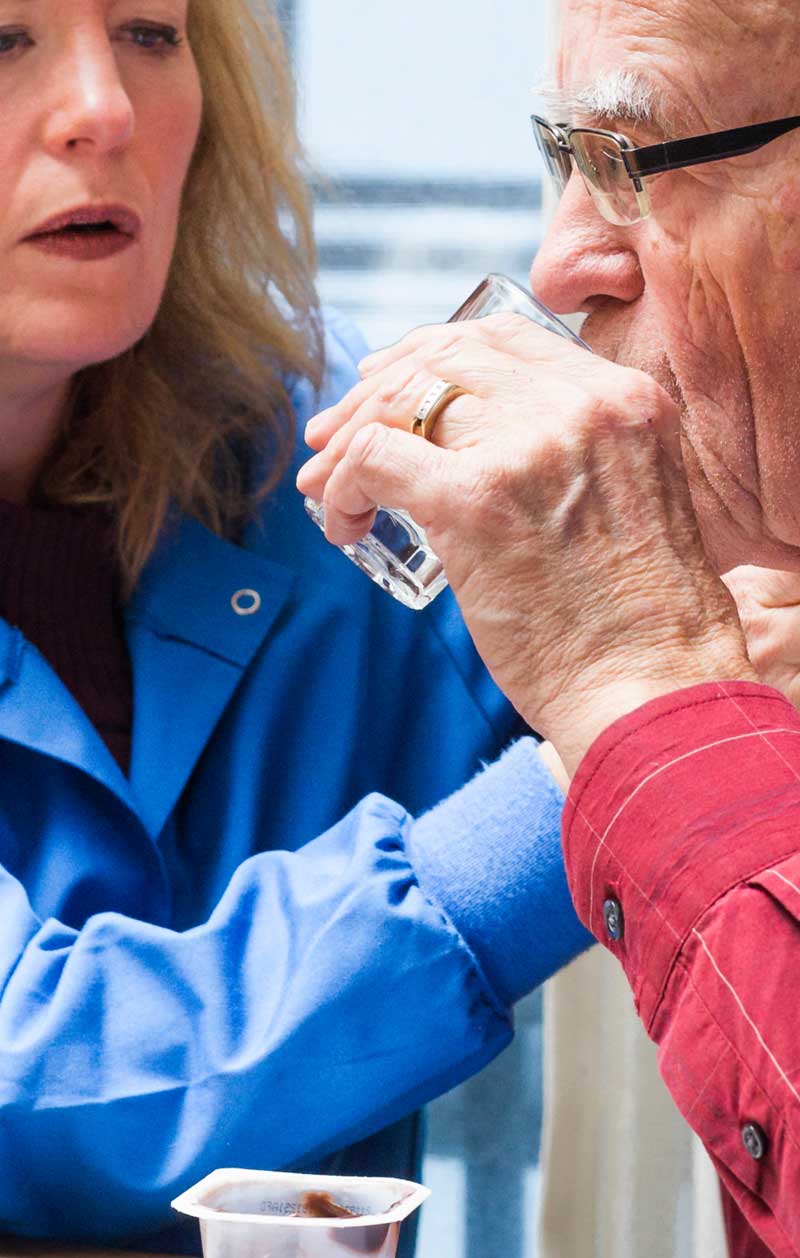
Q4: Can member of the family gain from understanding dyspahgia administration techniques? A: Absolutely! Supplying families academic sources encourage them as well play encouraging roles outside institutional settings enhancing total quality-of-life experiences!
Q5: Is there a specific age group much more impacted by dysplasia? A: While individuals throughout every age teams may experience some kind(s) relevant particularly towards ingesting difficulties-- the elderly population has a tendency face heightened dangers primarily due underlying health and wellness concerns influencing musculature entailed therein!
Q6: How does one find accredited dypshgia instructor programs? A: Research reputable expert organizations specializing within allied health areas like speech-language pathology typically provide referrals pertaining recognized continuous education and learning opportunities!
Conclusion
In recap, producing more secure environments via effective dysphgia training in care settings can not be overstated! By prioritizing education customized specifically towards resolving difficulties encountered by those experiencing problems while taking in food/drink-- we safeguard at risk populaces versus preventable problems developing therein!
Ultimately investing sources into extensive dsyhpgia support efforts not just boosts client safety and security yet promotes all natural renovations throughout every facet linked caregiving functions hence enriching lives all around!
This write-up envelops an extensive expedition right into exactly how dysaphgia recognition among caretakers guarantees quality within everyday functional structures eventually resulting beneficial end results throughout varied health care landscapes!